
Blog
How to Choose the Right Sportswear
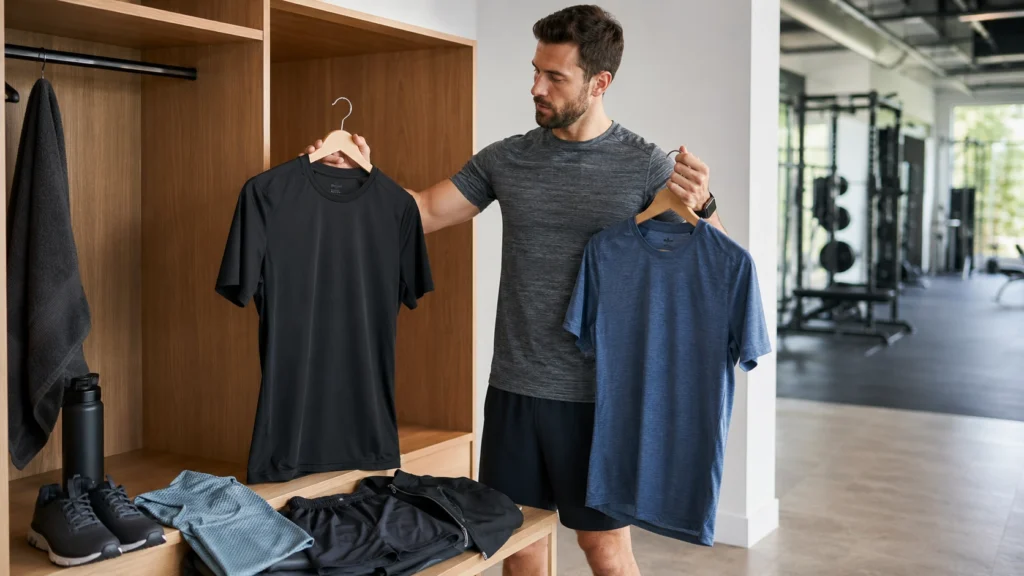
Jul
Choosing sportswear is not simply a matter of finding an outfit that looks good. What you wear during training can directly affect your freedom of movement, temperature regulation and overall comfort. Poorly fitted clothing may cause chafing, retain moisture or interfere with certain exercises. Suitable sportswear, on the other hand, helps you remain focused on your performance.
The ideal outfit depends on your chosen activity, its intensity and the environment in which you train. A runner exercising outdoors will not have the same requirements as someone practising strength training, yoga or hiking. Your body shape, sensitivity to heat and training frequency should also influence your decision.
Choose Sportswear According to Your Activity
Every sport involves specific movements and physical demands. Running requires lightweight, breathable clothing that can release heat and moisture quickly. A running top should remain close enough to the body to avoid unnecessary movement without restricting breathing. Shorts or running tights can also help reduce friction during longer sessions.
For strength training, your clothing should allow you to perform squats, presses, rows and other exercises through a complete range of motion. An excessively loose T-shirt may become caught in a machine, while rigid trousers can restrict movement around the hips and knees. A fitted cut made from flexible material usually provides a practical balance between comfort and mobility.
Yoga, Pilates and mobility training require even greater flexibility. Your clothing should follow every change of position without sliding, tightening or riding up. For team sports and functional training, prioritise durable garments capable of handling rapid movement and frequent changes of direction.
Prioritise Breathable Materials
Sweating is a natural mechanism that helps your body regulate its temperature. However, fabric that absorbs moisture without releasing it can quickly become heavy and uncomfortable. It may also cool the body too rapidly during rest periods or immediately after training.
Technical fibres are designed to move moisture away from the skin towards the outer surface of the garment, where it can evaporate more easily. Technical polyester, polyamide and blends containing elastane are commonly used in activewear. These materials generally dry faster than traditional cotton.
Cotton may still be comfortable for a gentle or relatively short session, but it retains more perspiration. It is therefore less suitable for cardio workouts, long-distance activities and warm environments. Breathable fabric becomes particularly important when you train regularly or exercise at a high intensity.
Find the Right Fit for Your Body
Good sportswear should be neither excessively tight nor unnecessarily loose. Clothing that is too compressive can become uncomfortable and may restrict certain movements. Conversely, oversized garments can slide around, become caught on equipment or make it more difficult to monitor your posture.
Before purchasing an outfit, reproduce several common training movements. Raise your arms, perform a squat, step into a lunge and rotate your upper body. The garment should remain in place while allowing a complete and comfortable range of motion. Its seams should not pull against your skin or create pressure points.
Length also deserves attention. Very short shorts may ride up during exercise, while trousers that are too long can slip underneath your shoes. The right garment is usually one you stop noticing shortly after your session begins.
Match the Level of Support to the Intensity
The amount of support required depends on the activity. Low-impact disciplines such as walking and yoga generally need less support than running, jumping or interval training. A sports bra should therefore offer light, medium or high support according to the intensity and impact level of the activity.
In strength training, support also concerns the stability of your clothing. A fitted top can prevent folds from forming underneath a barbell or against a bench. Leggings or shorts with a sufficiently wide waistband are more likely to remain secure during squats and floor exercises.
Support can be complemented by technical sportswear suited to exercise. Compression or fitted clothing must nevertheless be available in an appropriate size and should never cause pain, numbness or difficulty breathing.
Select Shoes Designed for Your Sport
Footwear is one of the most important parts of a sports outfit. Running shoes usually provide cushioning and support the natural movement of the foot. However, they are not always suitable for heavy strength training, as an excessively soft sole may reduce stability.
For strength exercises, a stable shoe with a relatively firm sole generally improves contact with the floor. Team sports require footwear that offers appropriate grip and support during lateral movement. When hiking, traction, resistance and protection from the terrain become priorities.
Avoid choosing shoes solely because of their appearance. The shape of your feet, the training surface, your chosen sport and how frequently you exercise should all guide your decision. A shoe that already feels uncomfortable during the fitting process is unlikely to become significantly more comfortable after several sessions.
Consider the Temperature and Training Environment
An outfit designed for a heated gym will not necessarily be suitable for an outdoor session during winter. In warm weather, lightweight and breathable clothing helps air circulate around the body. Sun protection, sunglasses and a suitable cap may also be useful when training outdoors.
During colder conditions, several layers are usually more practical than one very thick garment. A moisture-wicking base layer helps keep the skin dry, an insulating middle layer retains warmth and an outer jacket offers protection from wind or rain. Each layer can then be removed as your body temperature rises.
When exercising in poor light, reflective details can make you more visible to other people and road users. Secure pockets are also useful for carrying a telephone, key or small personal item without interfering with your movements.
Check the Seams and Practical Details
Seams may appear unimportant when you first choose sportswear, but they can strongly influence comfort during a long training session. Thick or poorly positioned seams may create irritation around the underarms, inner thighs or waist. Flat seams generally help reduce friction in these sensitive areas.
Fasteners, drawstrings and pockets should remain functional without becoming distracting. A zip located on the back of a garment may feel uncomfortable when performing exercises on a bench. A shallow pocket may allow its contents to fall out during running or dynamic movement.
You should also check whether the material remains opaque when stretched. This is especially important for leggings and shorts worn during squats. The quality of the elastic waistband, resistance of the fabric and washing instructions can provide further information about the garment’s likely durability.
Choose a Suitable Top
A sports top should provide enough room around the shoulders and arms without producing excessive loose fabric. A short-sleeved T-shirt is a versatile option for strength training, moderate cardio and general fitness sessions. A vest or tank top provides additional ventilation during high-intensity activities or warm-weather workouts.
Long-sleeved tops offer more coverage and can help retain warmth during outdoor exercise. They may also protect the skin from direct sunlight. Whatever style you choose, the neckline and sleeves should remain stable as you move.
A suitable top should also work with the rest of your outfit. If you wear additional layers, make sure they do not create bulky folds or restrict shoulder movement. Trying several combinations before training can help you identify potential discomfort.
Select the Right Shorts, Leggings or Trousers
Your choice of lower-body clothing should reflect the movements involved in your activity. Shorts offer ventilation and freedom of movement, making them suitable for cardio, indoor fitness and warm conditions. However, they must remain secure during running, lunges and floor exercises.
Leggings or training tights provide closer support and can reduce unwanted fabric movement. They are commonly used for running, yoga and strength training. Look for a comfortable waistband that remains in position without digging into the skin.
Training trousers may be appropriate for warm-ups, outdoor activities and lower-intensity sessions. However, the fabric should remain flexible around the knees and hips. Very wide trousers can interfere with equipment or foot placement, particularly during resistance training.
Avoid Common Sportswear Mistakes
One frequent mistake is choosing sportswear based entirely on current trends. An outfit can look attractive without being suited to the intended activity. Another mistake is buying a smaller size in an attempt to obtain more support. Excessive compression cannot compensate for a poorly designed fit.
Using the same outfit and footwear for every sport may also create problems. Running shoes do not provide the same characteristics as weightlifting shoes, while comfortable walking trousers may become too warm during an intense cardio workout.
It is also important to replace garments that have become stretched, transparent or irritating. Following the manufacturer’s care instructions, avoiding unnecessarily high washing temperatures and allowing sportswear to dry properly can help preserve its technical properties.
Look for Durability and Easy Maintenance
Sportswear is washed more frequently than most everyday clothing. For this reason, durability and maintenance requirements should be considered before purchasing. Check the quality of the stitching, the strength of the waistband and the recovery of the fabric after stretching.
Technical clothing should generally be washed at a moderate temperature with similar materials. Excessive heat may damage elastic fibres and reduce the garment’s ability to maintain its shape. Fabric softener can also affect the moisture-management properties of certain technical textiles.
Owning a small rotation of suitable outfits allows each garment to dry fully between sessions. It also reduces the need to wear damp or poorly maintained clothing, which can cause discomfort and unpleasant odours.
Build a Simple and Effective Sports Outfit
You do not need a large wardrobe to create an effective training outfit. A basic combination can include a breathable top, flexible shorts or trousers, suitable underwear and footwear designed for your main activity.
Comfort in motion should remain the priority. Before comparing complex textile technologies, consider four essential factors: freedom of movement, moisture management, appropriate support and protection against friction. Clothing that meets these requirements will generally be more useful than an outfit selected only for its appearance.
Learning how to choose the right sportswear ultimately means understanding your activity and its practical demands. The best outfit is one that follows your movements, supports the intensity of your training and remains comfortable from the beginning of your session to the end.
