
Blog
How Do You Wear a Weightlifting Belt?
Jul
How Do You Wear a Weightlifting Belt? A Complete Guide
A weightlifting belt can help you create greater pressure around your torso during demanding strength exercises. However, simply fastening a belt around your waist is not enough. Its position, tightness and the way you breathe into it all influence how useful and comfortable it feels.
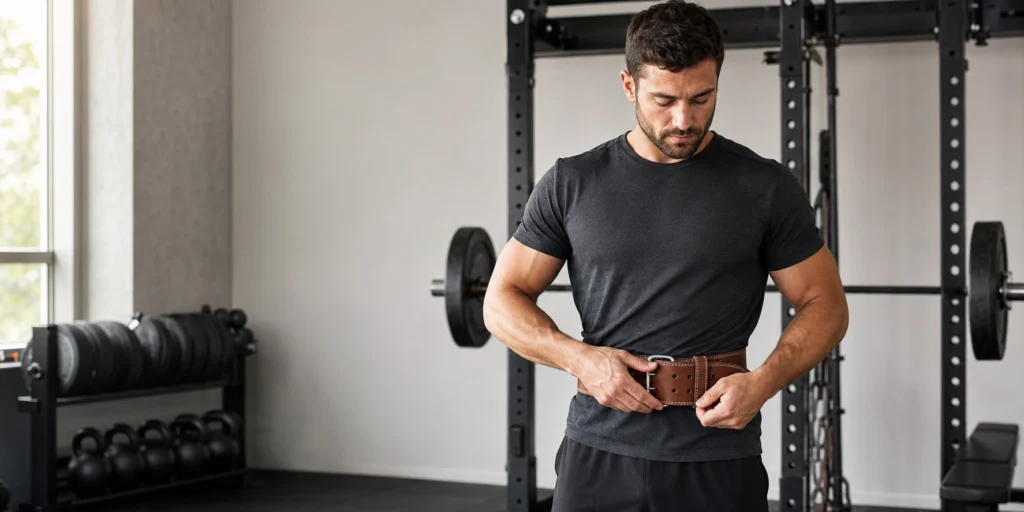
So, how do you wear a weightlifting belt correctly? Place it around your midsection, tighten it firmly without restricting your breathing, take a deep breath into your abdomen and brace your entire core against the belt before beginning the lift. The exact position may vary according to the exercise, your torso and your personal preference.
A belt should complement proper lifting technique rather than compensate for poor form. Learning how to brace without one remains important, especially before introducing heavier loads.
What Does a Weightlifting Belt Actually Do?
A lifting belt provides a firm surface against which you can contract your abdominal muscles. When you inhale and brace, your torso expands against the belt. This helps you create intra-abdominal pressure and maintain a more stable trunk during exercises such as squats, deadlifts and overhead presses.
The belt does not physically hold the spine in place, nor does it make an exercise automatically safe. Its effectiveness depends on your ability to breathe and brace correctly. If you simply wear it tightly without actively pushing your core against it, you may receive little benefit.
Weightlifting belts are generally most useful for heavy compound movements. They are less relevant during light isolation exercises, cardiovascular workouts or movements where the belt restricts the required range of motion.
Where Should You Position a Weightlifting Belt?
A weightlifting belt is usually positioned around the natural waist, covering part of the abdominal area and lower back. For many lifters, this means placing it approximately around the level of the navel. However, there is no single position that works perfectly for every person.
Your torso length, rib position, hip structure and chosen exercise can affect the ideal placement. A belt positioned too high may press against the ribs, while one worn too low can interfere with the hips when you squat or bend forward.
Begin with the belt centred around your waist. Perform several unloaded repetitions and notice whether it pinches, slides or limits your movement. You can then move it slightly higher or lower until you find a stable position.
Many athletes prefer a relatively neutral or slightly lower placement for squats. For deadlifts, some move the belt slightly higher to prevent it from becoming trapped between the ribs and hips in the starting position. These are preferences rather than universal rules.
How Tight Should a Weightlifting Belt Be?
The belt should feel snug and secure, but it should not prevent you from taking a full breath into your abdomen. If you cannot expand your torso or reach the correct starting position, the belt is probably too tight.
A loose belt creates another problem: it provides little resistance when you brace and may move during the lift. The objective is to leave enough space for your abdomen to expand while maintaining firm contact around the torso.
A useful starting point is to tighten the belt so that you can slide one or two fingers between it and your body. This is only a general test because belt materials and closure systems differ. A stiff leather lever belt will not feel the same as a flexible nylon model.
Test the fit during warm-up sets rather than making your first adjustment immediately before a heavy attempt. You should be able to breathe, brace and move without pain, numbness or excessive pressure against the ribs.
How Do You Brace Against a Weightlifting Belt?
Bracing is the most important part of using a belt. Before beginning the repetition, inhale deeply and expand your midsection in every direction. Think about filling the front, sides and back of your torso rather than simply pushing your stomach forward.
Once you have inhaled, contract the muscles around your trunk and press them firmly into the belt. Your torso should feel solid and stable. Maintain this pressure throughout the demanding portion of the repetition, then reset your breathing when you are in a controlled position.
Avoid lifting the chest excessively or drawing the stomach inward. Bracing is not the same as trying to make your waist smaller. You are creating pressure around the entire midsection.
Practise this process with manageable weights:
- Position and fasten the belt.
- Adopt the correct stance for the exercise.
- Inhale deeply into the abdomen and sides.
- Brace outward against the belt.
- Begin the repetition while maintaining torso tension.
- Exhale and reset when the repetition is safely completed.
The sequence should become consistent before you rely on the belt during demanding sets.
How Do You Wear a Weightlifting Belt for Squats?
For squats, position the belt where it allows you to reach depth without pinching between your ribs and hips. A neutral placement around the navel works well for many lifters, although some prefer it slightly lower.
Before removing the bar from the rack, inhale and brace against the belt. Maintain this pressure as you walk back and establish your stance. Take another controlled breath before descending if necessary.
The belt should not force you to change your normal squat mechanics. If you cannot bend comfortably or the belt pushes your torso into an awkward position, adjust its height or tightness. A narrower belt may be more comfortable for lifters with less space between the ribs and pelvis.
How Do You Wear a Weightlifting Belt for Deadlifts?
Deadlifts often require more experimentation because the torso begins in a forward-leaning position. A belt that feels comfortable while standing may pinch when you reach the bar.
Some lifters position the belt slightly higher for deadlifts, while others angle the front upward. This can create more room near the hips and allow them to establish the starting position without losing tension.
Fasten the belt, approach the bar and test your setup during warm-up repetitions. You should be able to reach the bar, engage your core and maintain a stable torso. If the belt forces you away from your preferred position, loosen it by one setting or adjust its placement.
Brace before initiating the pull and avoid taking a breath halfway through a difficult repetition. Reset your breathing between repetitions when the bar is securely on the floor.
Should You Wear a Belt for Every Exercise?
A weightlifting belt does not need to be worn throughout the entire workout. It is commonly reserved for heavier working sets of exercises that place substantial demands on the trunk.
You may use it for squats, deadlifts, overhead presses, loaded carries or other compound movements where a rigid torso is important. It is normally unnecessary for curls, lateral raises, light machine exercises or general warm-ups.
Performing some training without a belt also gives you opportunities to practise independent bracing. The belt should function as a performance tool, not as something you feel unable to train without.
Beyond back support, many athletes improve comfort by wearing technical compression clothing beneath or around their training equipment. A close-fitting top may reduce loose fabric bunching under the belt, but it should remain comfortable and must not restrict normal breathing or movement.
Which Type of Belt Is Most Comfortable?
Leather powerlifting belts are usually thick, rigid and consistent in width. They provide a firm surface for bracing but may require time to break in. Lever closures are quick to fasten and release, although their adjustment range is less convenient when your preferred tightness changes between exercises.
Prong belts offer familiar adjustment holes and can be loosened or tightened easily. Single-prong designs are generally simpler to fasten than double-prong versions.
Nylon and hook-and-loop belts are lighter and more flexible. They are frequently chosen for Olympic weightlifting or functional training because they allow greater freedom during dynamic movements. However, they may feel less rigid than a thick leather model.
The best choice depends on your sport, torso proportions and preferred balance between support and mobility. Correct sizing is essential regardless of the material.
Common Weightlifting Belt Mistakes to Avoid
Wearing the belt as tightly as possible is one of the most frequent mistakes. Excessive tightness can interfere with breathing, positioning and comfort without improving the brace.
Another mistake is using the belt without creating abdominal pressure. The belt is not passive armour; you must actively expand and contract your core against it.
Placing it directly over the hips or too close to the ribs can also cause pinching. Small adjustments in height may make a substantial difference. Finally, do not introduce a new belt for the first time during a maximal attempt. Learn its position and closure during progressive warm-up sets.
How Do You Know If the Belt Fits Correctly?
A correctly fitted weightlifting belt remains stable while allowing you to complete the exercise with your usual technique. You should feel firm resistance when you brace, but you should still be able to inhale and establish the required position.
The belt should not cause sharp discomfort, numbness, bruising or unusual breathing difficulty. If these occur, stop the set and adjust the fit. Persistent pain during an exercise should not be ignored or hidden by tightening the belt.
Ultimately, wearing a weightlifting belt correctly requires three elements: an appropriate position, controlled tightness and effective bracing. Start with lighter practice sets, experiment with small adjustments and treat the belt as one part of sound lifting technique—not a replacement for it.
